Business Name: BeeHive Homes of Plainview
Address: 1435 Lometa Dr, Plainview, TX 79072
Phone: (806) 452-5883
BeeHive Homes of Plainview
Beehive Homes of Plainview assisted living care is ideal for those who value their independence but require help with some of the activities of daily living. Residents enjoy 24-hour support, private bedrooms with baths, medication monitoring, home-cooked meals, housekeeping and laundry services, social activities and outings, and daily physical and mental exercise opportunities. Beehive Homes memory care services accommodates the growing number of seniors affected by memory loss and dementia. Beehive Homes offers respite (short-term) care for your loved one should the need arise. Whether help is needed after a surgery or illness, for vacation coverage, or just a break from the routine, respite care provides you peace of mind for any length of stay.
1435 Lometa Dr, Plainview, TX 79072
Business Hours
Monday thru Sunday: 9:00am to 5:00pm
Facebook: https://www.facebook.com/BeeHivePV
YouTube: https://www.youtube.com/@WelcomeHomeBeeHiveHomes
Families usually think of respite care on the hardest days. A partner reaches physical fatigue from overnight wandering. An adult child has actually surgery scheduled or a service trip that can not be moved. A long-planned vacation begins to feel impossible due to the fact that Mom requires assistance bathing and Dad can not be left alone with her.
That is when the look for short-term elderly care starts, and the first complicated fork in the road appears: assisted living respite or memory care respite?
On paper, both offer a furnished apartment or room, meals, help with daily jobs, and 24/7 staff. In reality, the experience can be completely various, particularly for an older adult living with cognitive modifications. Having actually strolled numerous families through this decision, I have actually seen how the ideal match can be a relief for everyone, and how the wrong one can produce avoidable distress.
This guide unpacks how respite care works in assisted living and in memory care, where they overlap, and where they truly diverge.
What respite care really suggests in senior care
Respite care in senior living is a short, organized stay in a certified neighborhood. It is usually scheduled a defined duration, such as a week or a month, with the alternative to extend if everybody agrees. The resident receives the very same basic services as long-term citizens, however without a long lease or commitment.
Families typically use respite look after several reasons:
First, to provide a primary caretaker time to rest, recuperate from disease, or go to essential life occasions.
Second, to try a community before making a permanent move. A 30-day stay can address questions that no tour or sales brochure will ever settle.
Third, to offer safe protection after a hospitalization or rehab stay, when going directly home is not safe however a nursing home level of care is not yet needed.
Within that umbrella, 2 primary settings offer respite: assisted living and memory care. Both become part of senior care, but they are constructed around different presumptions about cognition, safety, and everyday life.
Assisted living respite: who it fits and how it works
Assisted living is designed for older adults who require help with daily tasks but can still take part in their own choice making, move about with some self-reliance, and benefit from a more open environment. The same framework uses when someone is there just for respite.
In useful terms, an assisted living respite stay typically looks like this:
A private or semi-private apartment, usually with a little sitting location and a restroom. Homeowners frequently bring a couple of personal products, such as images, a preferred blanket, and familiar toiletries, however the standard furnishings are already in place.
Three meals a day in a shared dining-room, plus snacks. Staff encourage residents to come to meals at set times, however there is typically more flexibility and less structure than in memory care.
Help with activities of daily living such as bathing, dressing, grooming, medication pointers, and in some cases escorts to meals or activities for those who are brand-new or unsteady.
Access to a calendar of activities: exercise classes, celebrations, games, music, spiritual services, and getaways. Involvement is urged instead of carefully structured.
Respite locals are woven into the routine neighborhood regimens. Staff typically anticipate them to follow triggers, remember standard safety directions, and make basic options, such as what to buy for lunch or whether to go to bingo or a concert.
This makes assisted living respite a strong fit for older grownups who:
- Have moderate or no cognitive impairment. Can discover their way back to their space with minimal guidance. Do not roam unsafely or attempt to leave the building. Can recognize personnel as helpers and react to verbal cues. Manage behavior without frequent agitation, aggressiveness, or extreme anxiety.
Many homeowners with early-stage dementia or moderate memory loss do extremely well in assisted living respite settings if the environment is calm and the personnel are attentive. Problems tend to arise when cognitive concerns are more advanced than the family realizes.
One case that sticks with me included a gentleman whose child insisted he was "simply a little absent-minded." Within three days of admission to assisted living respite, he had actually two times attempted to follow visitors out the front door, set off an alarm by opening a fire escape, and wandered into other locals' spaces. The setting was incorrect for his requirements. He did not fail; the placement did.
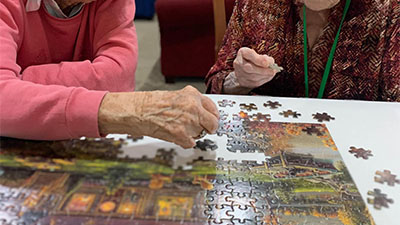
Memory care respite: developed for cognitive change
Memory care neighborhoods, often called specialized dementia care systems, are developed from the ground up for individuals dealing with Alzheimer's illness and other dementias. The exact same environment serves locals on respite stays.
Key characteristics distinguish memory care respite from assisted living respite.
The structure or system is secured. Exterior doors are kept an eye on or locked. Outside areas, if present, are enclosed yards or patios. The goal is not to send to prison, however to enable safe liberty of motion within boundaries.
The everyday schedule is more structured. Programs are created to support cognitive, physical, and emotional wellness: music therapy, sensory activities, small-group engagement, and quiet periods. The day has foreseeable rhythms, which can be calming for those with memory loss.
Staff are specifically trained in dementia communication and habits management. They know how to approach from the front, use brief concrete expressions, redirect rather than argue, and read subtle signs of distress before a habits intensifies.
The physical environment is streamlined and cue-rich. Corridors may use color hints or clear signage, lighting is gotten used to decrease shadows, furnishings is arranged to reduce fall risks, and common locations are easy to navigate.
That style makes memory care respite a much better alternative for someone who:
- Has moderate to advanced dementia. Wanders, ends up being lost, or has actually left home undetected in the past. Experiences sundowning, hallucinations, or delusions. Needs frequent reassurance, redirection, or supervision. Has behaviors that have been difficult to manage at home, even with strong family support.
A household I dealt with brought their mother for a 14-day memory care respite remain so they could attend a destination wedding event. In the house she had actually started searching in drawers in the evening, mistaking the bathroom for the front door, and ending up being afraid when left alone even for 10 minutes. In memory care respite, she joined a small group for early morning baking activities, took part in afternoon music, and was assisted through a soothing bedtime routine. Her child told me afterward, "This is the very first time in months I have slept through the night without listening for her steps."
Supervision, staffing, and safety: what really changes
On staffing charts, both assisted living and memory care reveal 24/7 coverage. The obvious similarity can be misleading. The method staff are deployed and trained, and the level of supervision they provide, varies in crucial ways.
In assisted living, personnel normally examine homeowners at set periods and react to call bells or alarms. Lots of homeowners can hang around in their rooms with very little oversight. Night staffing is leaner because the majority of people are anticipated to sleep through the night.
In memory care, supervision is more extensive. Staff screen homeowners more continually in common areas due to the fact that roaming, repetitive behaviors, and nighttime wakefulness prevail. The ratio of personnel to residents is frequently higher, although precise numbers differ by state policies and business policy. More importantly, staff are on the lookout for subtle changes in behavior that may indicate medical problems, such as a urinary tract infection providing as abrupt aggression or confusion.
Safety procedures differ as well. Assisted living respite may appropriate for somebody who periodically forgets a walker however reacts to pointers. Memory care respite is constructed for the person who consistently stands without movement aids, attempts to use unsafe furniture for assistance, or attempts to cook, leave the building, or drive.
For families, the secret is to match the level of guidance to the level of danger. Hoping that a person with considerable dementia will "increase to the event" in assisted living is not a sensible strategy. Dementia does not pause for respite.
Daily life: structure, liberty, and noise level
Daily life feels different in assisted living versus memory care, even when the building is shared and the 2 programs are on different floorings or wings.
Assisted living tends to use more specific freedom. Homeowners can typically come and go with family, pick which programs to participate in, or spend long stretches of time in their apartments. The social environment frequently looks like a neighborhood of older grownups with a wide range of interests and lifestyles. Some locals still drive, others love card video games or lectures, and numerous have intact discussion skills.
For a respite resident who values independence and does not require much cueing, this can be stimulating. For somebody with dementia, the same environment can be frustrating. Background noise in a hectic dining-room or large group activity can intensify confusion. Open access to hallways and elevators can develop security concerns.
Memory care is more contained and foreseeable. Activities are typically smaller sized and customized to cognitive capabilities, with more one-to-one interaction. Regimens are repeated, and dementia care staff frequently structure transitions more actively: guiding citizens from breakfast to group time, then encouraging a rest or quiet duration. The outcome can be a calmer, more repetitive day, which many people with memory loss find reassuring.
However, memory care can feel limiting to an older adult with just moderate cognitive problems. A highly independent person who is alert, oriented, and socially engaged might discover locked doors, closer guidance, and streamlined activities annoying or perhaps insulting.
Here the judgment call depends upon which matters more today: preserving independence, or ensuring security and comfort within cognitive limitations.
Emotional influence on the individual and the caregiver
Respite care is not just a logistical service. It is an emotional event for both the older grownup and the caretaker who has likely been giving most of the hands-on care.
Older grownups going to assisted living respite frequently stress over losing autonomy. "I do not want to be put away" is a sentence many of us in elderly care have heard more than once. Those worries are real, even if the stay is just for 2 weeks. Assisted living communities that do respite well invest time in orientation: introducing essential staff, describing the daily routine, and ensuring the new resident understands how to call for aid or request modifications. When the person is cognitively able, giving them some option over meal seating, activities, or wake and sleep times can maintain dignity.
In memory care respite, fear and confusion can appear in a different way. An individual with dementia might not totally comprehend the concept of a brief stay, however they feel the disruption in regular and environments extremely acutely. This can trigger the first couple of days to be rocky: increased agitation, calls for family, refusal of care. Competent memory care teams expect this and utilize familiar music, favorite foods, constant staffing, and mild peace of mind to help the person settle.

For caregivers, the emotions are layered. Relief and guilt often coexist. I keep in mind a husband who brought his partner into memory care respite before his own heart surgical treatment. He told me, "I understand she will be more secure here than at home with neighbors checking in, however I still feel like I am abandoning her." Weeks later on, when she stayed in memory care completely after his recovery, he said the respite stay made that challenging choice possible. He had actually seen her engage with personnel, take part in activities, and smile again. The experience moved his photo of what "a home" could be.
Understanding these emotional currents helps families strategy. A thoughtful technique consists of frank discussions about what the stay is for, sensible reassurances, and a plan for regular calls or visits that do not weaken the neighborhood's efforts to develop new routines.
Costs and insurance coverage: what to expect
From a financial viewpoint, respite care in both assisted living and memory care is mostly private pay in the United States. There are some exceptions, but families must not depend on Medicare covering the remain in a common senior living community.
Medicare does cover short-term respite in certain hospice or experienced nursing settings, however that is a separate benefit with specific eligibility rules. For everyday assisted living or memory care respite, the usual pattern is:
- An everyday or monthly rate, typically somewhat greater each day than a long-lasting stay since of the brief commitment and the requirement to keep supplied houses available. A minimum stay requirement, frequently between 7 and 30 days. Additional charges for higher levels of care, particularly in memory care, such as two-person transfers, substantial behavior management, or diabetic care.
Memory care respite is often more costly than assisted living respite due to the fact that staffing and security needs are higher. The distinction can range from modest to significant, depending on area and provider.
Long-term care insurance coverage in some cases reimburses respite stays if the policy covers assisted living or memory care and the insured satisfies the advantage triggers. Veterans with certain advantages might access restricted respite support, typically through VA-approved centers or programs. Each scenario is extremely specific, so households need to get in touch with insurers or VA case supervisors early in the preparation process.
From a practical angle, cost must be weighed versus threat and tension. A somewhat less expensive respite stay that does not satisfy the individual's needs can lead to injuries, behavioral crises, or hospitalizations that quickly remove any savings.
Key differences at a glance
To clarify the contrast, here is a basic comparison.
|Element|Assisted Living Respite|Memory Care Respite|| ------------------------------|---------------------------------------------------------------------|---------------------------------------------------------------------|| Primary focus|Physical assistance and social engagement|Safety, structure, and dementia-specific assistance|| Cognitive presumptions|Moderate or no disability, able to follow cues|Moderate to severe disability, needs regular cueing and oversight|| Security|Typically open, might have delayed egress doors|Guaranteed system or structure, enclosed outside locations|| Daily structure|More versatile, resident-driven|More scheduled and repetitive|| Staffing technique|General senior care training|Dementia-specific training and habits management|| Normal expense|Lower, with levels of care included as needed|Greater, showing staffing and security|| Best for|Elders valuing independence with workable support requires|Elders with substantial amnesia, wandering, or behavior issues|
When assisted living respite suffices, and when it is not
Families typically want to keep a loved one in the "least limiting" setting. That is a fair instinct. The art depends on defining "restrictive" not as a locked door, however as an environment that continuously irritates or endangers the person.
Assisted living respite can be an excellent fit when an individual:
- Is cognitively able to comprehend where they are and why. Does not attempt to leave unsafely. Responds well to spoken suggestion cues. Enjoys interacting socially and uses different activities.
Warning indications that assisted living respite might be risky consist of:
Repeated elopement attempts or a history of getting lost, even quickly.
Aggressive or extremely agitated habits, especially around bathing or individual care.
Inability to learn or keep in mind fundamental safety hints, such as "Please utilize your walker when you get up."
Significant nighttime uneasyness, wandering, or sleep-wake turnaround that would strain minimal night staffing.
In those cases, memory care respite is more protective for both the person and the community as a whole.
How to decide: a useful household checklist
When families sit in my workplace and ask, "Assisted living or memory look after respite?", we walk through a few core concerns. The goal is not perfection, but a placement where the person is safe, relatively calm, and treated with respect.
Here is a short list to direct that discussion with your own household and with service providers:

Bring these responses to any tour or intake conversation. Strong communities, whether assisted living or memory care, will ask similar questions. If a supplier seems excited to position your loved one without penetrating behavioral history or safety concerns, that is a red flag.
Making the transition smoother, whichever choice you choose
Once you pick assisted living or memory care respite, planning the shift well can make the stay more successful.
Start with familiar objects. A preferred chair, quilt, or images can soften the strangeness of a brand-new room. For people with dementia, avoid mess, but use a couple of clear visual anchors, like household photos labeled with names, to provide comfort.
Prepare an in-depth care profile. Include not just medical information, however daily routines: typical wake times, chosen drinks, triggers for anxiety, subjects that dependably cheer the individual up, and techniques that operate at home. Staff who know that your mother constantly takes coffee before talking, or that your father soothes quickly when you sing a certain tune, can react more personally.
Plan the handoff. If the person is cognitively undamaged, involve them in the process, consisting of touring, satisfying staff, and picking clothing to pack. For those with dementia, much shorter explanations duplicated calmly might work much better than overloading them with info days in advance. Frequently, a basic "We are going to a location where people can help while I rest my back" suffices.
Coordinate communication. Decide in advance how often you will sign in, and with whom. Ask the community who will be your primary contact and when they suggest requiring updates. For some caretakers, one everyday upgrade is assuring. Others do better with a set call every couple of days to avoid hyper-focusing on small fluctuations that are normal in a new setting.
If the first 48 to 72 hours are rough, withstand the desire to pull your loved one out right away, unless security is plainly jeopardized. It often takes numerous days for sleep patterns to settle and for the individual to get utilized to brand-new environments and deals with. Experienced personnel will expect this and support both the resident and the household through that entry period.
The larger image: respite as a tool, not a failure
Respite care, whether in assisted living or memory care, is in some cases framed as an indication that a household "can not cope." That framing is both unreasonable and hazardous. The majority of modern-day take care of people with dementia and complex age-related needs is unsustainable over the long term by a single partner, child, or kid without breaks.
Used sensibly, respite is a preventive step. It protects caregivers from burnout and health crises, offers seniors access to expert assistance and social contact, and can reveal needs that were unnoticeable in your home.
Choosing in between assisted living and memory take care of respite is less about eminence or stigma and more about a sincere take a look at the person's current abilities and risks. Not every elder with memory issues needs memory care, however those who do are safer and frequently more content when their environment matches their reality.
Families who deal with respite as part of their total elderly care strategy, instead of as a last-ditch emergency situation procedure, usually navigate the journey with more flexibility and less regret. Matching the best level of care to the right individual at the right time is hard, but it is among the most caring acts a caregiver can offer.
BeeHive Homes of Plainview provides assisted living care
BeeHive Homes of Plainview provides memory care services
BeeHive Homes of Plainview provides respite care services
BeeHive Homes of Plainview supports assistance with bathing and grooming
BeeHive Homes of Plainview offers private bedrooms with private bathrooms
BeeHive Homes of Plainview provides medication monitoring and documentation
BeeHive Homes of Plainview serves dietitian-approved meals
BeeHive Homes of Plainview provides housekeeping services
BeeHive Homes of Plainview provides laundry services
BeeHive Homes of Plainview offers community dining and social engagement activities
BeeHive Homes of Plainview features life enrichment activities
BeeHive Homes of Plainview supports personal care assistance during meals and daily routines
BeeHive Homes of Plainview promotes frequent physical and mental exercise opportunities
BeeHive Homes of Plainview provides a home-like residential environment
BeeHive Homes of Plainview creates customized care plans as residents’ needs change
BeeHive Homes of Plainview assesses individual resident care needs
BeeHive Homes of Plainview accepts private pay and long-term care insurance
BeeHive Homes of Plainview assists qualified veterans with Aid and Attendance benefits
BeeHive Homes of Plainview encourages meaningful resident-to-staff relationships
BeeHive Homes of Plainview delivers compassionate, attentive senior care focused on dignity and comfort
BeeHive Homes of Plainview has a phone number of (806) 452-5883
BeeHive Homes of Plainview has an address of 1435 Lometa Dr, Plainview, TX 79072
BeeHive Homes of Plainview has a website https://beehivehomes.com/locations/plainview/
BeeHive Homes of Plainview has Google Maps listing https://maps.app.goo.gl/UibVhBNmSuAjkgst5
BeeHive Homes of Plainview has Facebook page https://www.facebook.com/BeeHivePV
BeeHive Homes of Plainview has an YouTube page https://www.youtube.com/@WelcomeHomeBeeHiveHomes
BeeHive Homes of Plainview won Top Assisted Living Homes 2025
BeeHive Homes of Plainview earned Best Customer Service Award 2024
BeeHive Homes of Plainview placed 1st for Senior Living Communities 2025
People Also Ask about BeeHive Homes of Plainview
What is BeeHive Homes of Plainview Living monthly room rate?
The rate depends on the level of care that is needed. We do an initial evaluation for each potential resident to determine the level of care needed. The monthly rate is based on this evaluation. There are no hidden costs or fees
Can residents stay in BeeHive Homes until the end of their life?
Usually yes. There are exceptions, such as when there are safety issues with the resident, or they need 24 hour skilled nursing services
Do we have a nurse on staff?
No, but each BeeHive Home has a consulting Nurse available 24 – 7. if nursing services are needed, a doctor can order home health to come into the home
What are BeeHive Homes’ visiting hours?
Visiting hours are adjusted to accommodate the families and the resident’s needs… just not too early or too late
Do we have couple’s rooms available?
Yes, each home has rooms designed to accommodate couples. Please ask about the availability of these rooms
Where is BeeHive Homes of Plainview located?
BeeHive Homes of Plainview is conveniently located at 1435 Lometa Dr, Plainview, TX 79072. You can easily find directions on Google Maps or call at (806) 452-5883 Monday through Sunday 9:00am to 5:00pm
How can I contact BeeHive Homes of Plainview?
You can contact BeeHive Homes of Plainview by phone at: (806) 452-5883, visit their website at https://beehivehomes.com/locations/plainview/, or connect on social media via Facebook or YouTube
You might take a short drive to the Jimmy Dean Museum. Jimmy Dean Museum offers a low-impact cultural experience appropriate for assisted living, senior care, elderly care, and respite care visits.